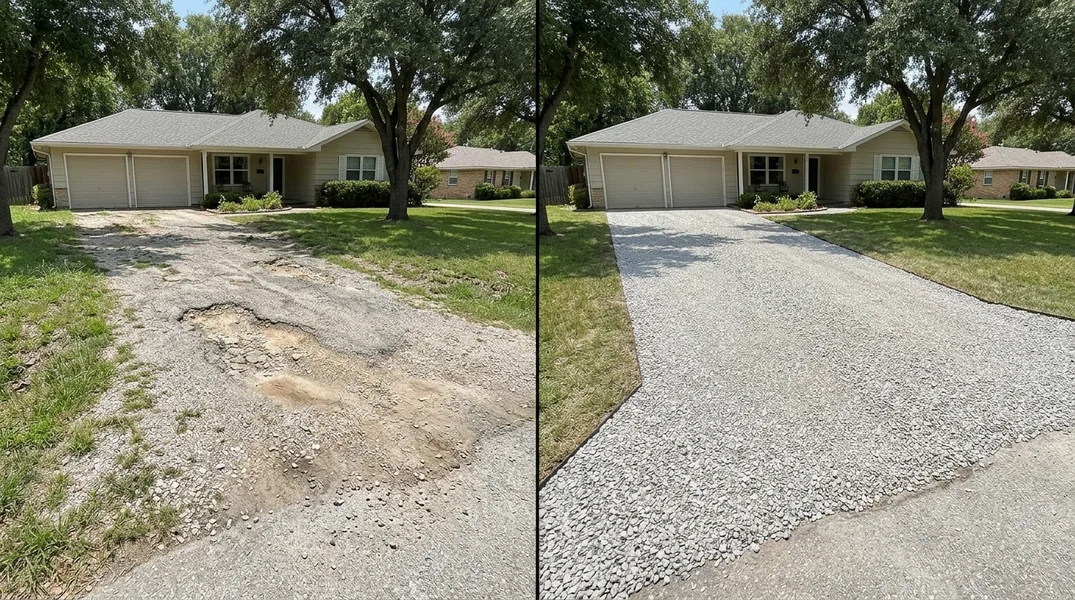
Understanding Fort Worth's Unique Soil Composition
If you own a home in Fort Worth, you've probably noticed that your driveway doesn't last as long as you'd expect. The culprit isn't always poor installation or cheap materials. More often, it's the ground beneath your asphalt. Fort Worth sits in a region dominated by limestone and clay-heavy soil, a combination that creates a perfect storm for driveway damage.
Limestone is a sedimentary rock that naturally occurs throughout North Texas. While it's strong in many ways, it's also porous and prone to dissolution when exposed to water and acidic conditions. Clay, on the other hand, is highly expansive. When it absorbs moisture, it swells; when it dries out, it shrinks dramatically. These two soil types working together beneath your asphalt create constant movement and stress that no new driveway can completely ignore. Understanding this geological reality is the first step toward protecting your investment and knowing when you'll need professional intervention.
How Soil Movement Causes Cracks and Potholes
The cycle of expansion and contraction in clay soil is relentless. During heavy rains or humid seasons, clay absorbs water and expands upward, pushing against the asphalt from below. This pressure creates stress points in the pavement. Then, during dry spells, the clay shrinks back down, leaving gaps and voids beneath the surface. The asphalt, now unsupported, flexes and cracks. Over time, water seeps into these cracks, freezes during cold snaps, and expands further, widening the damage in a process known as frost heave.
Limestone compounds this problem by dissolving slowly over years. As it breaks down, it creates hollow spaces beneath your driveway. These voids mean your asphalt is essentially floating on unstable ground. When a vehicle drives over these weak spots, the asphalt collapses inward, creating the potholes and sunken areas that seem to appear overnight. What you're witnessing is the end result of months or years of underground deterioration. This is why Driveway Repair in this region is so common and why many homeowners find themselves needing repairs more frequently than they'd like.
Frost Heave Driveway Repair: A Fort Worth Reality
Frost heave occurs when water trapped beneath or within asphalt freezes and thaws repeatedly. In Fort Worth, we experience enough winter cold snaps to make this a real concern, even though we don't get the extreme freeze cycles of northern states. Each freeze-thaw cycle, no matter how mild, weakens your asphalt and creates new cracks. The limestone and clay soil amplifies this damage because water moves easily through porous limestone and gets trapped in expansive clay, creating ideal conditions for ice formation and heaving.
If you notice your driveway has developed a sudden bump or dip, or if you see cracks that seem to have appeared or worsened after winter, frost heave is likely the cause. The damage happens at the base of your asphalt, making it impossible to simply patch over the problem. This is why professional assessment is crucial. Fort Worth Asphalt Paving can evaluate whether your driveway needs Pothole Repair & Asphalt Patching as a temporary fix or if more comprehensive Asphalt Resurfacing & Overlay is necessary to address the underlying soil issues.
Repair or Replace: Making the Right Decision for Your Driveway
When your driveway shows signs of damage, the question isn't always straightforward. Should you patch it or start over? The answer depends on the extent of the damage, the age of your driveway, and the underlying soil condition. If your driveway is relatively new (under five years old) and shows only isolated cracks or small potholes, patching or targeted Pothole Repair & Asphalt Patching may be sufficient. However, if your driveway is showing widespread cracking, multiple potholes, or significant settlement, you're likely looking at a situation where repair will only delay the inevitable.
The soil composition beneath your driveway plays a major role in this decision. Because Fort Worth's limestone and clay create ongoing movement, even a newly repaired driveway may fail again relatively quickly if the soil issues aren't addressed. This is where professional expertise matters. A qualified contractor can assess whether your base is stable enough for repairs or if you need full Asphalt Driveway Paving & Installation with proper soil preparation and drainage solutions. Getting a free estimate from Fort Worth Asphalt Paving can help you understand your options and make an informed decision.
Preventive Measures and Long-Term Solutions
While you can't change the soil beneath your driveway, you can take steps to minimize the damage it causes. The most important preventive measure is drainage. Water is the enemy of asphalt in clay and limestone soil. Proper grading ensures that rainwater runs off your driveway rather than pooling on or soaking into the surface. If your driveway has low spots where water collects, that's where damage will accelerate. Keeping your driveway clean and addressing cracks promptly also helps. Small cracks can be sealed before they become entry points for water and ice.
When it comes to long-term solutions, consider investing in quality base preparation during installation. A properly compacted base with adequate drainage can significantly extend your driveway's lifespan, even in challenging soil conditions. Some homeowners in challenging areas also benefit from thicker asphalt layers that can better withstand the constant movement below. Seal coating every two to three years is another valuable practice that protects the surface from water penetration. These preventive investments may seem costly upfront, but they can save you thousands in premature repairs and replacements. Fort Worth Asphalt Paving can discuss these options when you call (817) 529-9224 for a consultation.
When to Contact a Professional Near You
You don't have to wait until your driveway fails completely to seek professional help. If you notice new cracks, small potholes, or areas where the surface is becoming uneven, that's the time to have a contractor evaluate the situation. Early intervention can often prevent more expensive damage. A professional inspection can determine whether the problem is surface-level damage that can be patched or a deeper structural issue related to soil movement and base failure.
Fort Worth Asphalt Paving serves the entire Fort Worth area and understands the specific challenges that limestone and clay soil create for local driveways. Rather than guessing about what your driveway needs, contact us at (817) 529-9224 or request a free estimate online. We'll assess your driveway's condition, explain what's causing the damage, and recommend the most cost-effective solution, whether that's repair, resurfacing, or full replacement. Don't let soil-related damage go unchecked. The sooner you address it, the better your driveway will perform for years to come.
Looking for a professional asphalt paving contractor in Fort Worth? Fort Worth Asphalt Paving responds fast for all your asphalt paving needs.
Get a Free Quote